
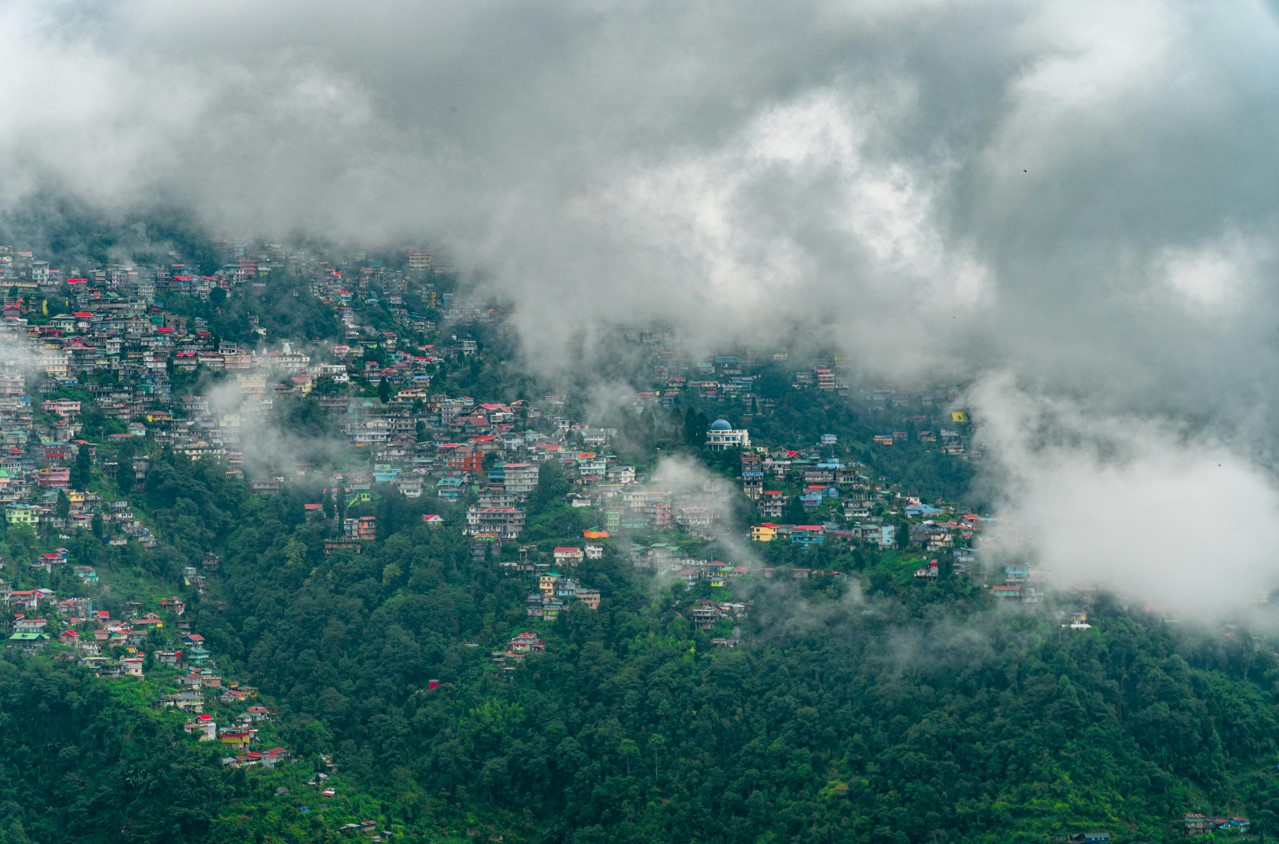
Mussoorie city | The Queen of Hills
Perched in the foothills of the Himalayas, Mussoorie, known as the Queen of Hills, offers a perfect escape into cool mountain air and scenic beauty. Mussoorie city is famous for its sweeping views, pleasant climate, and charming hill town vibe that attracts travelers throughout the year.
From the lively stretch of Mall Road to quiet viewpoints and peaceful walking trails, Mussoorie blends energy with calm in a way few destinations can. Whether it’s enjoying sunsets over the mountains, exploring local cafes, or simply walking through misty roads, the experience feels both refreshing and timeless.
With its natural charm, easy accessibility, and iconic identity as the Queen of Hills, Mussoorie city continues to be one of the most loved hill stations in North India.
Mussoorie city also serves as a perfect base for slow travel, where every corner offers a new perspective of the hills. From panoramic viewpoints like Lal Tibba to peaceful walks along Camel’s Back Road, the Queen of Hills invites you to explore at your own pace. The blend of natural beauty, colonial charm, and vibrant local life makes Mussoorie city not just a destination, but an experience that stays with you.
Why Mussoorie city
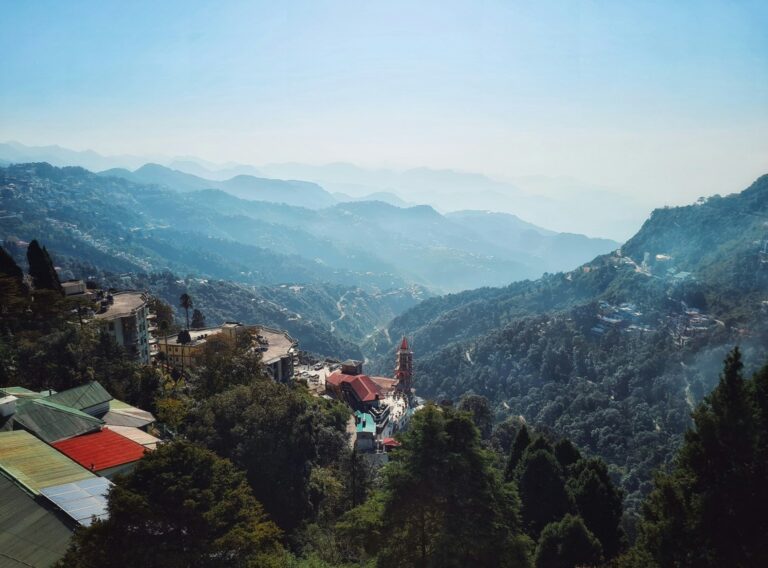
Perched in the Garhwal Himalayas, Mussoorie—popularly known as the Queen of Hills—offers a refined hill-station experience with cool climate, layered mountain views, and a relaxed pace. Mussoorie combines scenic beauty with easy accessibility, making it one of the most preferred getaways in North India.
At the heart of Mussoorie city lies Mall Road, a lively stretch lined with cafes, shops, and viewpoints. Beyond the bustle, quiet walks, forested trails, and high vantage points open up wide Himalayan panoramas. The town’s colonial-era character, clean air, and consistent weather add to its appeal across seasons.
Whether you’re planning a short break or a longer stay, Mussoorie city delivers a balanced mix of views, walks, and local experiences—true to its identity as the Queen of Hills.
History of Mussoorie City
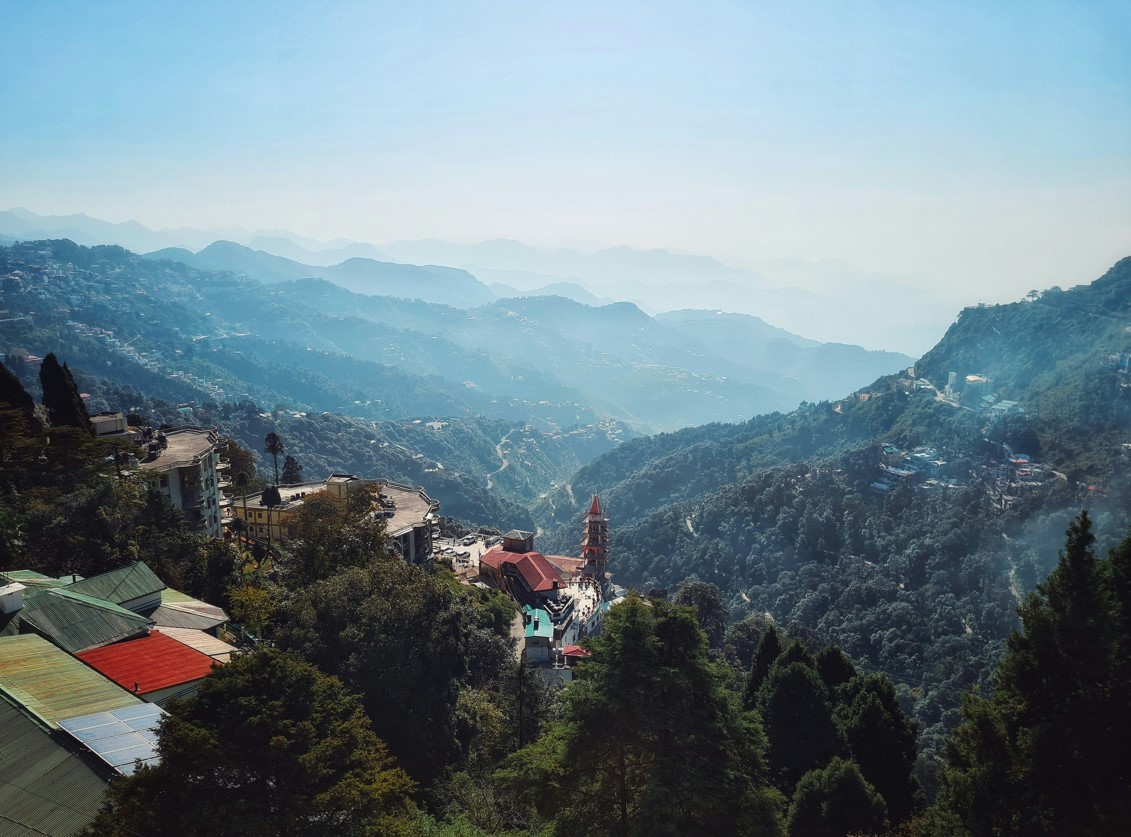
The history of Mussoorie traces back to the early 19th century, when this quiet ridge was discovered by British officers Captain Young and F.J. Shore. Drawn by its cool climate and sweeping Himalayan views, they established the first settlements, gradually shaping Mussoorie city into a retreat from the plains.
The name “Mussoorie” is believed to come from the Mansoor shrub that once grew abundantly in the region. Over time, the town evolved into a prominent hill station under British rule, known for its colonial charm, elegant buildings, and peaceful surroundings. Churches, schools, and cottages built during this era still reflect the architectural legacy of that period.
As city grew, it became a favored summer destination for British officials and later for Indian travelers seeking respite from the heat. Its identity as the “Queen of Hills” emerged from its unmatched beauty and elevated setting among the mountains.
Today, the history of Mussoorie city lives on through its old pathways, heritage structures, and timeless atmosphere—where every corner carries a sense of the past blended seamlessly with the present.
Places to Visit In Mussoorie City
Mall Road
Running through the heart of Mussoorie, Mall Road carries a charm that feels both lively and timeless. Once a promenade for British-era gatherings, it still echoes that old-world vibe, now blended with cafes, lights, and mountain views. Every step here feels unhurried—where the buzz of the Queen of Hills meets moments of calm, inviting you to simply walk, pause, and take it all in.
Camel’s Back Road
Stretching quietly along the hills of Mussoorie, Camel’s Back Road offers a peaceful escape away from the town’s bustle. Named after a natural rock formation resembling a camel’s back, this path carries a subtle historic charm from the colonial era. With open views, soft winds, and long silent walks, it’s one of the most calming places, where time slows and the hills speak quietly.
Kellogg Memorial Church, Landour
Tucked away in the quiet lanes of Landour, Kellogg Memorial Church stands as a silent witness to time. Built during the British era, this stone church carries a deep sense of history and simplicity, once serving as a spiritual and educational center. Surrounded by tall trees and stillness, the space feels untouched and reflective.
Company Garden
Tucked amid the green slopes of Mussoorie, Company Garden offers a gentle pause from the town’s bustle. Once developed during the British era as a botanical retreat, it still carries that quiet charm through its well-kept lawns and floral paths. With soft mountain air, open spaces, and a calm setting, it’s one of the most relaxing places in Mussoorie city—where nature feels simple, familiar, and easy to stay in.
Laal Tibba
At the highest point of Mussoorie, Lal Tibba offers calm views of distant Himalayan peaks and quiet hills. It’s one of the most peaceful spots in Mussoorie city, where the Queen of Hills feels truly still.With soft winds and open skies, the atmosphere here feels untouched and slow. It’s a place to pause, take in the view, and simply experience the silence of the mountains.
Gun Hill Point
Located above the lively streets of Mussoorie, Gun Hill offers wide views of the surrounding hills and distant Himalayan peaks. It is one of the most popular spots in Mussoorie city, adding to the charm of the Queen of Hills.Once used to fire a cannon during the British era to signal time, Gun Hill still carries a hint of that history.
Explore More | Haridwar
Haridwar – Hari Ka Dwar | Gateway to the Divine
FAQ
Everything you need to know about places, travel, and planning your visit to Rishikesh
Rishikesh is known for its spiritual atmosphere, sacred Ganges River, iconic bridges, temples, aTop attractions in Mussoorie include Mall Road, Lal Tibba, Gun Hill, Camel’s Back Road, and Landour.shrams, and peaceful natural spots like waterfalls and viewpoints.
Mussoorie city is called the Queen of Hills due to its scenic beauty, elevated location, and panoramic views of the Himalayan ranges.
The best time to visit Mussoorie city is from March to June and September to November when the weather is pleasant and ideal for sightseeing.
Mussoorie is well-connected by road. The nearest railway station and airport are in Dehradun, around 35 km away.
Yes, Mussoorie city is worth visiting for its natural beauty, peaceful atmosphere, and popular attractions like Mall Road and Lal Tibba.
A 2 to 3-day trip is enough to explore the main tourist places in Mussoorie city and nearby areas.