
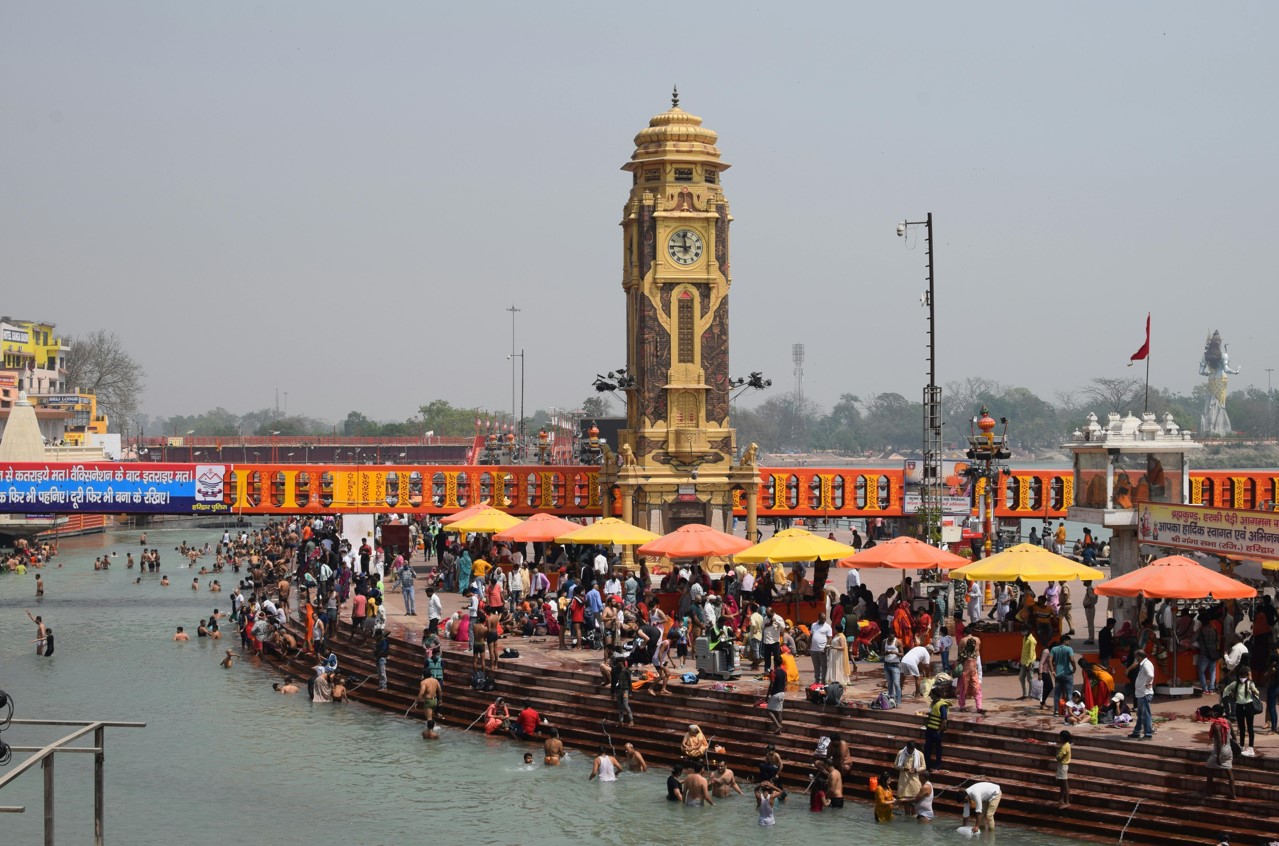
Haridwar City- The Hari Ka Dwar
Set along the sacred banks of the Ganga, Haridwar—known as Hari Ka Dwar—holds a deep spiritual presence that defines its identity. Haridwar city is one of the most important pilgrimage destinations in India, where faith, rituals, and daily life flow together in a timeless rhythm.
From the revered Har Ki Pauri to countless temples and ghats, the city offers an experience rooted in devotion and tradition. The evening Ganga Aarti, with its lights, chants, and flowing river, creates a powerful atmosphere that draws visitors from across the country.
With its spiritual significance, cultural depth, and constant connection to the Ganga, Haridwar city stands as a place where belief is lived, not just observed.
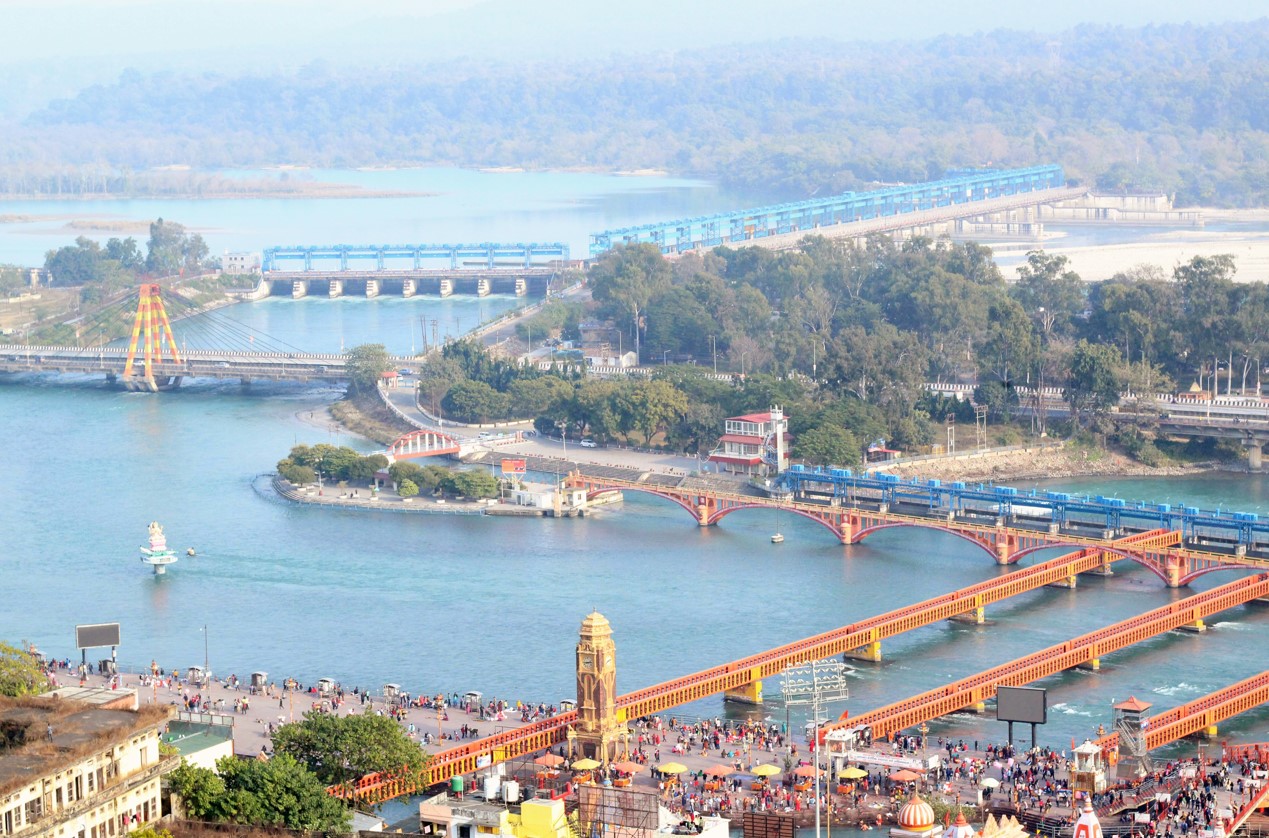
Why Haridwar city
Haridwar city, known as Hari Ka Dwar, offers an experience deeply rooted in faith, culture, and spiritual energy. Set along the sacred Ganga, the city draws visitors seeking peace, reflection, and a meaningful connection with tradition.
From the atmosphere around Har Ki Pauri to the continuous flow of rituals across temples and ghats, Haridwar carries a sense of devotion that feels both powerful and calming. The evening Ganga Aarti, with its lamps and chants, creates a moment that stays with you.
Beyond its spiritual importance, Haridwar city reflects traditions preserved over generations, making it not just a destination but a place to truly experience.
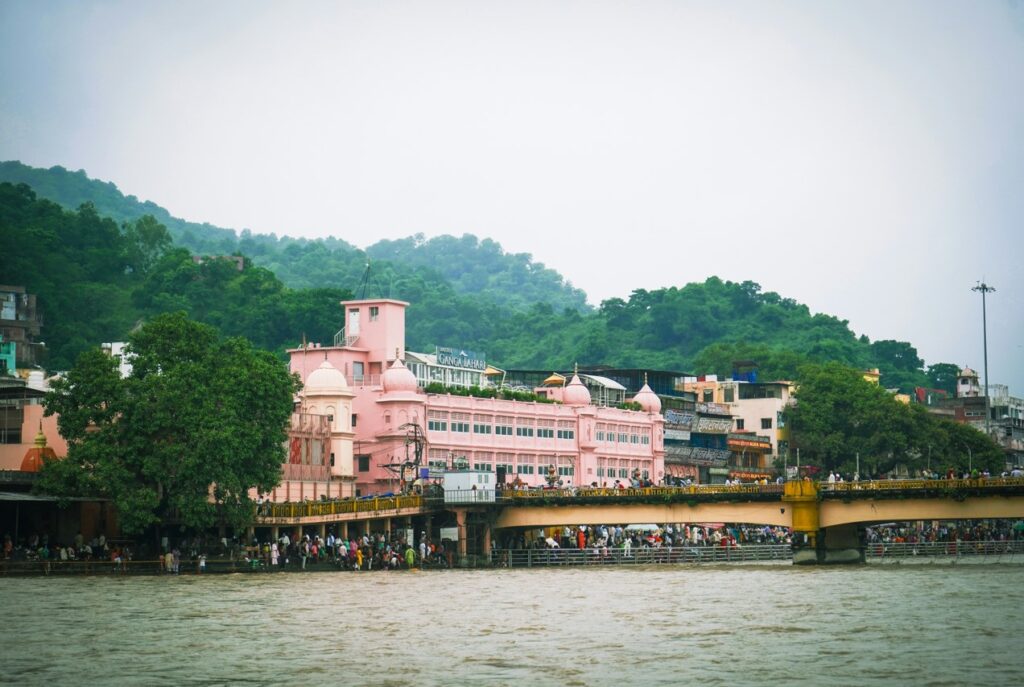
History of Haridwar City
Haridwar city is one of the oldest living cities in India, with a history that dates back thousands of years. Known as Hari Ka Dwar, it has long been a gateway to spiritual journeys and a center of faith in Uttarakhand.
Ancient texts and legends connect Haridwar to the period of the Mahabharata, and it is believed that sages and saints have meditated here for centuries along the banks of the Ganga. The city is also closely linked to the Kumbh Mela, one of the largest religious gatherings in the world, held here at regular intervals.
Over time, Haridwar developed as a major pilgrimage site, with temples, ghats, and ashrams shaping its identity. During different historical periods, it remained an important stop for travelers and devotees heading towards the Himalayan shrines.
Today, the history of Haridwar city lives through its traditions, rituals, and sacred spaces, where the past continues to exist within the present.
Places to Visit In Haridwar
Har-Ki-Pouri
Har Ki Pauri is the spiritual heart of the region. Known for its deep religious significance, it is the place where devotees gather to take a holy dip and experience the divine presence of the river. As evening falls, the Ganga Aarti transforms the surroundings into a powerful and serene moment, with lamps, chants, and flowing water creating an atmosphere of pure devotion.
Chandi Devi
Located atop Neel Parvat in Haridwar city, Chandi Devi Temple is a revered shrine dedicated to Goddess Chandi, offering panoramic views of the surrounding hills and Ganga. Reached by a short trek or ropeway, the temple carries a strong spiritual presence, making it one of the most important places to visit in Haridwar.
Mansa Devi
Perched on the Bilwa Parvat in Haridwar city, Mansa Devi Temple is a sacred temple dedicated to Goddess Mansa, believed to fulfill the wishes of devotees. Accessible by a trek or ropeway, the temple offers beautiful views of Haridwar and the Ganga, making it one of the most visited spiritual places in the city.
Daksh Mahadev Temple
Located in Kankhal area of Haridwar city, Daksha Mahadev Temple is an important temple dedicated to Lord Shiva, deeply connected to ancient Hindu mythology. It is believed to be the site of King Daksha’s yajna and the story of Sati, giving the temple strong spiritual and historical significance, making it a key place to visit in Haridwar.
Bharat Mata Mandir
Located in Haridwar city, Bharat Mata Mandir is a unique temple dedicated to Mother India, symbolizing unity and national pride. Spread across multiple floors, each level represents different aspects of Indian culture, history, and great personalities, making it a distinctive place to visit in Haridwar.
Shantikunj Ashram
Located on the outskirts of Haridwar city, Shantikunj Ashram is a peaceful spiritual center known for meditation, yoga, and self-development. Surrounded by calm and simplicity, the ashram offers a quiet environment for reflection, making it one of the most serene places to visit in Haridwar.
Yoga Capital of the World | Where Spirituality Meets Adventure
FAQ
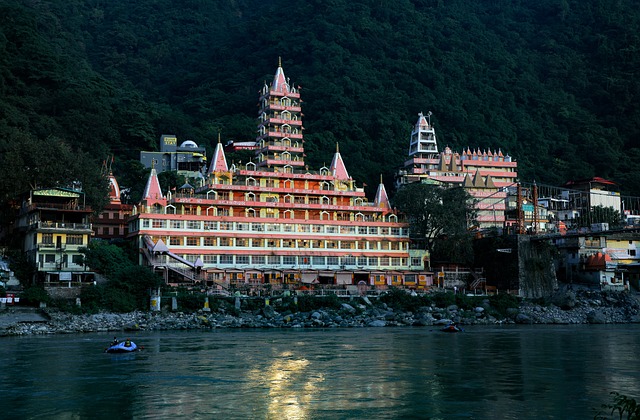
Everything you need to know about places, travel, and planning your visit to Rishikesh
Top attractions in Haridwar include Har Ki Pauri, Mansa Devi Temple, Chandi Devi Temple, Daksha Mahadev Temple, and Bharat Mata Mandir.
Haridwar is famous for its spiritual significance, sacred Ganga ghats, and the evening Ganga Aarti at Har Ki Pauri.
The best time to visit Haridwar city is from October to March when the weather is pleasant for sightseeing and spiritual activities.
Haridwar city is well-connected by road and rail. It has its own railway station, and the nearest airport is Jolly Grant Airport in Dehradun.
Yes, Haridwar city is worth visiting for its spiritual atmosphere, cultural heritage, and unique experiences along the Ganga.
A 1 to 2-day trip is enough to explore the main attractions in Haridwar, attend the Ganga Aarti, and visit major temples in Haridwar city.